The publication
About Quiet Frequency
Quiet Frequency is a journal about sound as communication and evidence. Its subjects range from a coded signal received above St. John's harbour to the careful replay of an old recording and the study of a city's acoustic environment. The emphasis is on how sound is produced, transmitted, described, and preserved. Canadian historic sites, archival collections, and university research provide the settings, while source links allow readers to follow each account further. These articles are written for curious listeners who want more context around a familiar medium: the equipment behind it, the decisions within a recording, and the history carried by a sound.
Read the subject through its sources
Listen to Canadian history through signals, recordings, and the study of everyday sound. Quiet Frequency explores transatlantic wireless, archival discs, radio timekeeping, and soundscape research, with accessible explanations and primary sources that connect listening to places, instruments, and documentary memory.
Articles are original explanations drafted with AI assistance and checked against the primary sources linked beside the relevant sections. Their review date identifies the source check; it is not a claim of breaking news.
This publication does not claim to be a government service, museum, research institution or industry body. A source link acknowledges evidence, rather than an endorsement or partnership. The articles do not claim interviews, site visits or an invented reporting team.
Help improve an explanation
Send a question or correction to [email protected]. Include the story title, the passage and, if available, a primary source that supports the correction.
A general explanation cannot cover every location, material, model or circumstance. For a specific situation, consult the applicable official guidance or a suitably qualified professional. The publication has no product checkout, paid recommendations or affiliate rankings.
Photography and image credits
Captions identify the actual subjects shown. A contextual photograph is not evidence of an event described as happening today. Images retain their individual licences; they are separate from the site's original text and design. The displayed copies are resized and compressed, and the layout may crop their visible area responsively.
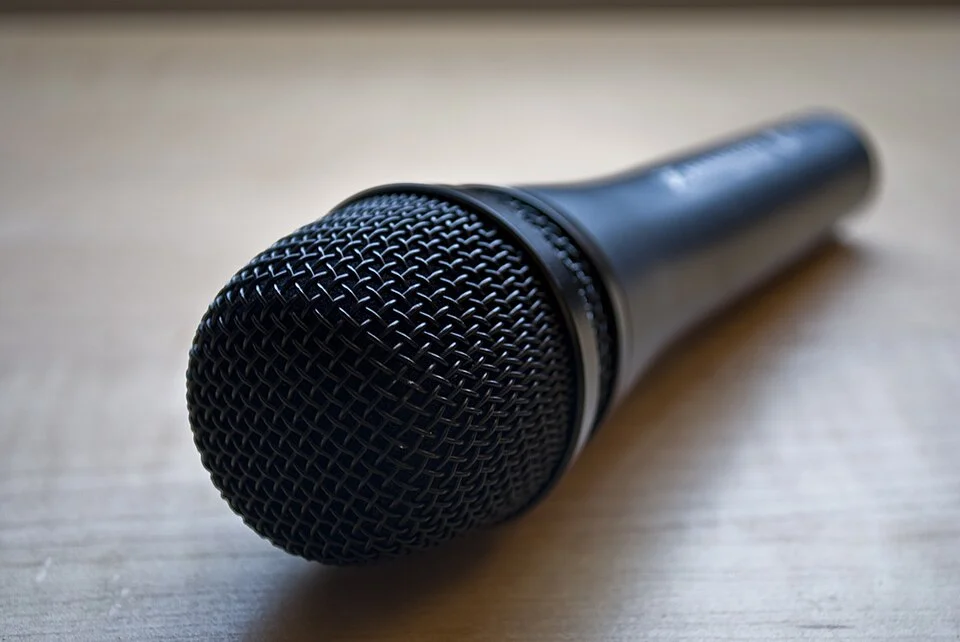
A Sennheiser microphone, photographed in July 2009.ChrisEngelsma · CC BY 3.0 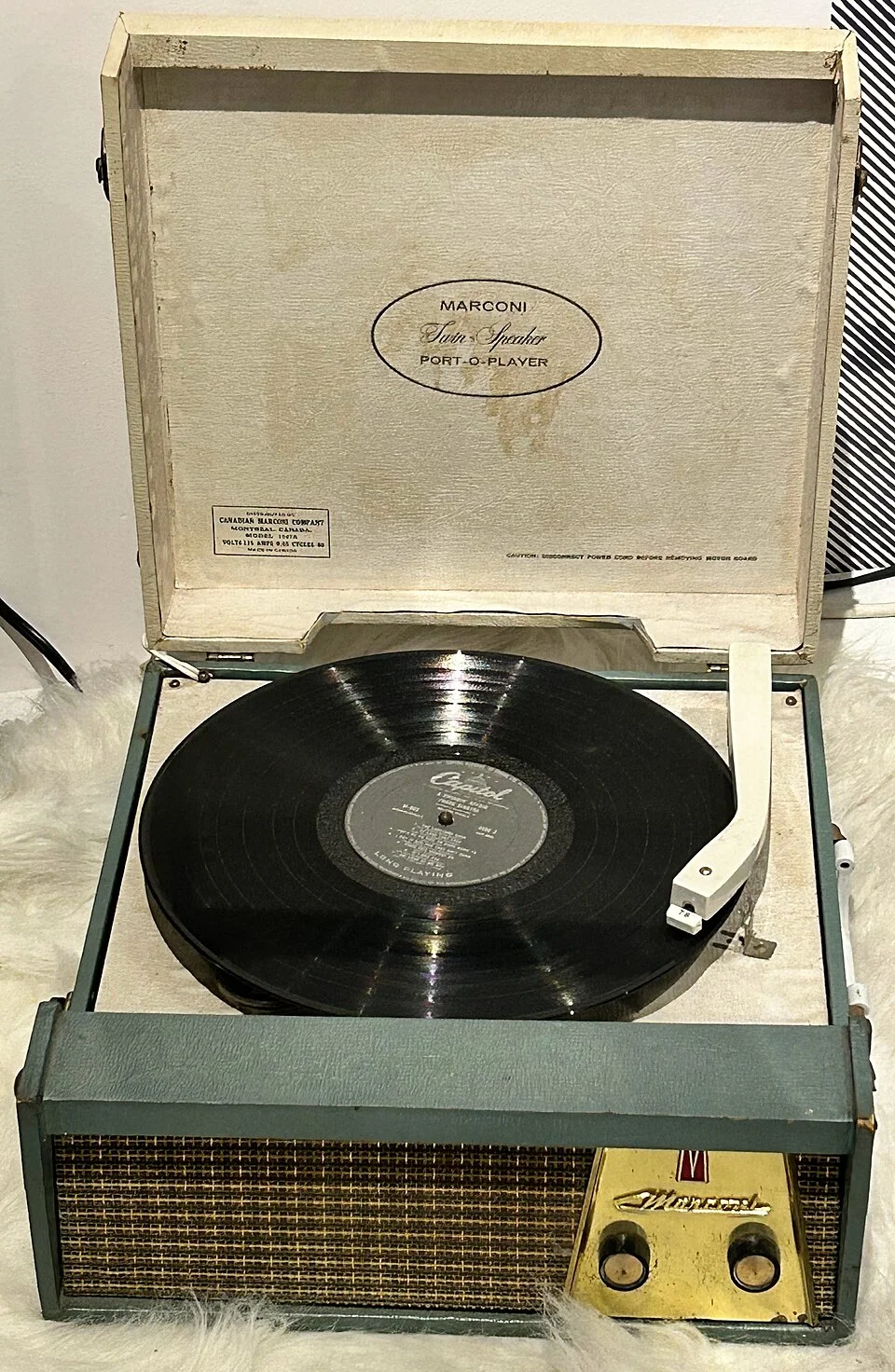
A vintage Twin-Speaker Port-O-Player record player manufactured by Canadian Marconi Company, photographed in 2026.Wiki.cullin · CC0 1.0